If you have any further questions not listed below, please contact us and we will reply back to you as soon as we can!
-
For some specific cases this might be required. It really helps for every dog to have a place where it can run around, on its own that’s fully fenced in. But this doesn’t have to be in your back yard, even though it helps. There are plenty of good bull terrier owners who live in urban areas without a fully fenced yard. It just takes a bit of creativity to find alternate ways to satisfy your bull terriers physical and intellectual enrichment needs.
-
Because most of the 8-24 months old Bull Terriers in need of homes have a similar story. The original owners didn’t research the breed before making the purchase or were generally not prepared for pet ownership. These dogs might look like young adult dogs in their bodies, but behaviorally and developmentally they’re even younger. They’re often very mouthy, with little impulse control, have very few skills in their toolbox, and require a lot of specific training and behavior modification before being considered a good canine citizen. They’re not mean or dangerous, they’re simply difficult cases that need their issues addressed before being viable for a less experienced home. And as our goal is to limit the cases of dogs needing new homes, we’re less prone, as rescuers, to send a hard case to someone who might not seem prepared for it.
-
No. One is white; the others have colors. Some will say that the white ones are more prone to deafness, or the red ones are naughtier, and the brindle ones don’t have as many allergies, but most of this is either anecdotal or unimportant when it comes to rescue. Each dog of every color in our program has its own characteristics and needs. Deafness, allergies and behaviors are the sort of thing that’s identified before adoption.
-
This is a complex question for Bull Terriers in rescue. A well raised, behaviorally sound dog should be able to be left alone, safe and content in a crate or a pen for 6 to 7 hours before it starts wanting out.
The BTR Mission, does not condone or agree to allowing its unattended dogs, to be left unrestricted (outside of a crate or pen) for any period of time, while in foster care. Even when adopted we urge extreme caution in giving them full access, when by themselves. They are their own biggest threat and have been known to eat a variety of things that require lifesaving surgeries due to obstructions (corn on the cobs, pigs knuckles, cheese cloth, socks, dead birds, the list goes on). Does this mean that you will never be able to leave your bull terrier alone? No. Only that it is very important to understand your dog’s limitations before you try.
Then there are behavioral considerations to leaving some of the rescues alone for long periods of time. Sometimes, these dogs have suffered a psychological trauma that presents as separation anxiety when they arrive into foster care or a foster to adopt home. Most of these cases will require time to decompress. Sometimes, they’ll need modifications to where they are left alone, and what they can see and hear and smell while there. Sometimes it will be, actual separation anxiety, in which case, their situation and needs will have to be reconsidered. Simply leaving a dog with separation anxiety in a physically secure and restricted containment, can make things worse and cause him or her to damage himself. But these are extreme examples. It will be up to the fosters, who evaluate and help re-habilitate the dogs in BTRM’s care, to determine the parameters and requirements for each dog.
-
Well here’s the rub. Bull Terriers are all extremists. They tend to be either one way or the other. So, if you’re looking for a mellow friend to watch Netflix with and order from Grub hub, then yeah, we’ve probably got a few who would fit that bill. They just tend to be around 5 years old or older AND, they’re bull terrorists. So as has happened in the past, I can send a dog to a foster that’s a very relaxed 6-year-old lay around buddy. And 98% of the time, that’s exactly what he’ll be and exactly how he’ll act, but once in a while he’ll remember who he is. And next thing you know, you let your guard down one too many times, and didn’t walk your 20th guest out the door yourself and the sneaky little guy barreled out from around them and now is loose. Next thing you know, you’re riding down the street in your flip flops on a mountain bike screaming your dog’s name out at the top of your lungs, while he proudly goes romping around letting all of your neighbors know exactly who he is (this actually happened).
Then there’s the active ones, who should be great running partners. I’ve placed them as well, and they’ve got the energy and the desire to go all day. It’s just that sometimes, they want to go in a direction that has nothing to do with the 4 mile run you’ve been doing every day for 5 years. Or, they’ll go on your route until they’ve had enough and the next thing you know you’ll have to carry 60lbs of dead weight home, because they’ve decided they’ve just had enough.
-
Again, another multi part question and something that needs to be understood about the breed, and dogs in general. Human aggression, dog aggression and prey drive are three separate and different issues. Add to that the variant of whether or not they’re good to have around children makes this even more complex.
Let’s start with Human aggression. There are few dogs in rescue with human aggression that are available for adoption or foster to adopt. A truly human aggressive dog is more often than not deemed a danger to the public and must be humanely euthanized. There are some cases, where a dog that’s suffered physical or psychological trauma will present as aggressive, but when evaluated by a behaviorist deemed a candidate for re-habilitation. These cases are very rare.
As for children, we do not place dogs that hurt children due to aggression. But these are large, powerful and exuberant animals. They can be very well meaning to children, and as an extremely human centric breed, will almost by default love all of the little humans around them. But this is rescue. These dogs are rarely well trained and behaviorally sound. They often lack impulse control and the ability to calm themselves, long enough to gauge the temperature of the room before barreling into things in celebratory hucklebutts (zoomies being the more common colloquialism). So, when we rate a dog for kids, at 15 years and above, it’s not because they don’t like children. It’s because they don’t understand that children are fragile. When we rate one as 8 and above, that’s indicative of a dog that’s been around younger children and much more user ready to enter a home with kids.
Dog aggression/reactivity: Some bull terriers in rescue hate other dogs on site and will visibly show a reaction (dog reactivity) but when handled properly by someone experienced, may be able to be integrated with the right dogs. Some of them, really do hate other dogs and can never be allowed off leash around them or to have access to them. We refer to the former as dog reactive and/or dog selective and the latter as dog aggressive. Some bull terriers don’t mind other dogs but need to be very slowly and carefully integrated. Some, like other dogs and have a well-established history living with them, but as rescues, they tend to be insecure and protective of the new and special lives they’ve been granted. That’s why we provide a very incremental step by step plan for our “To Be Determined” and our “Dog Friendly” dogs, when in home with other canines. Very rarely, maybe 4 or 5% of all intakes, are so dog friendly that from day one they can be integrated or require other canine companionship, just to settle down. Often times, this comes with a price, as it’s usually these dogs that have been failed by humans and are actually afraid of people but need other dogs.
Cats and prey drive: A large portion of this breed’s genetic make-up is that of a terrier. Hunter killers, of pests in the ground. Terra for Terrier. A genetic disposition in a dog, is hard to suppress without consequences. For example, a couple of years ago I helped evaluate and place a senior bull terrier who was sweet as pie. He liked other dogs and loved people. He was very neglected and once he got too old, he was abandoned. I placed him in a home where the adopters felt unable to care for him because he was sight and hearing impaired as well. Luckily (we thought) the adopter’s mother fell in love with him and agreed to take him on as her own. And he loved her as well. Unfortunately, she had a cat. And he couldn’t see and could barely hear, so all day all he did was smell that cat around him and it drove him crazy. He began to randomly attack people’s coats because they smelled like a cat. He would blindly lunge at furniture and people and doors thinking he could get at this cat that he could smell but not hear or see. It was so bad for the sweet old guy that we were unsure if his viability in rescue would last much longer. But before we were forced to make a final decision, an angel in Massachusetts offered to take him in and foster and evaluate him for us. The change in this dog was like night and day, when he finally went into a home without a cat. Now, he lives a glorious pampered and relaxed existence with a wonderful human family and a sweet younger brother.
Can some Bull Terriers be good with cats? Yes. We have some that are good with chickens, pigs, horses and cats. I’ve seen and had a few that liked cats but no other dogs. And there’s a lot that like people but no other animals. It’s really a case to case basis, with the only inevitability we consider, is that if a bull terrier in our program is verified to have a high prey drive (meaning a danger to cats and other small animals) we will not attempt to place that dog in a home where he or she will be trialed for integration with them.
-
Unfortunately bull terriers get a bad rap, and if something ever happened between him and another dog, he would likely get the blame. We wouldn’t want any sort of record that would make it harder to adopt him or her in the future. Aside from this, dog parks have their own issues. You don’t always know every owner and every dog, and that’s simply unsafe for their health and welfare
Find us on PetFinder
Foster
Fostering saves lives by giving Bull Terriers a safe, loving place to land while they wait for their forever homes. It’s one of the most impactful ways to help—providing comfort, structure, and healing that simply can’t happen in a boarding environment.

Ways to Get Involved
Transport
Our dog transport volunteers are the essential link between safety and a new beginning. By helping transport dogs to vet appointments, foster homes, or evaluations, you play a hands-on role in moving them one step closer to the life they deserve.
Evaluate
Evaluations give our Bull Terriers the chance to shine in person—and help potential adopters fall in love. Volunteers help set up, guide families, and support the dogs so these special moments lead to lasting matches.
Home Visit
Home visit volunteers ensure that every adoptive or foster home is a safe and supportive environment. This simple, friendly check helps set families and dogs up for success and allows us to make the best match possible.
How We Work
-
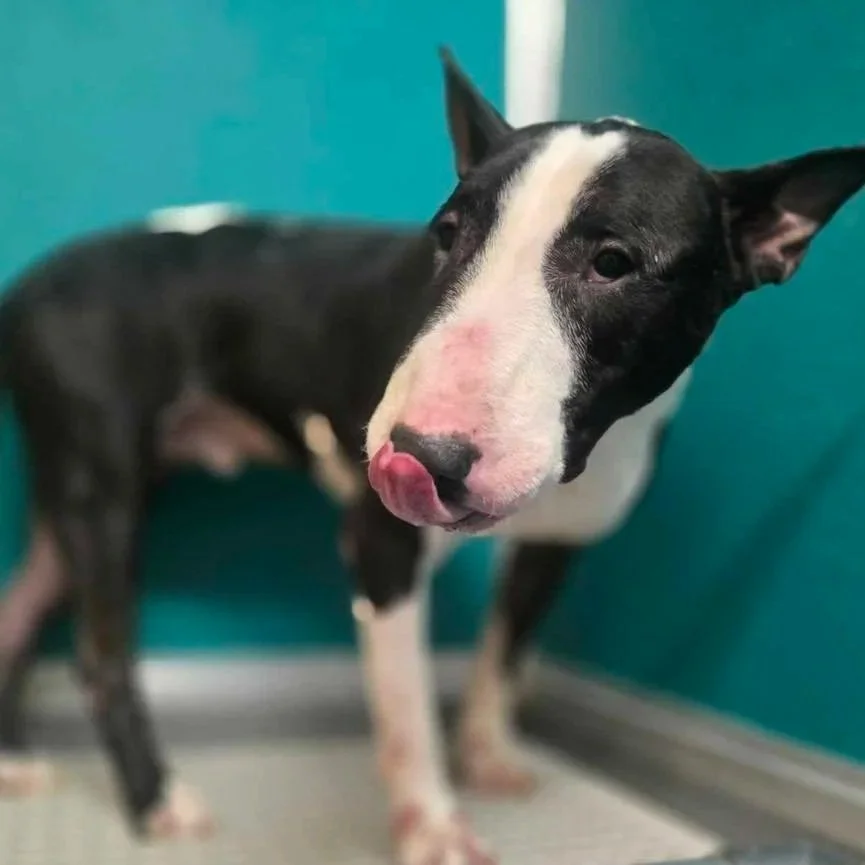
Rescue
We rescue bull terriers and miniature bull terriers from abuse, neglect, and surrendering owners.
-
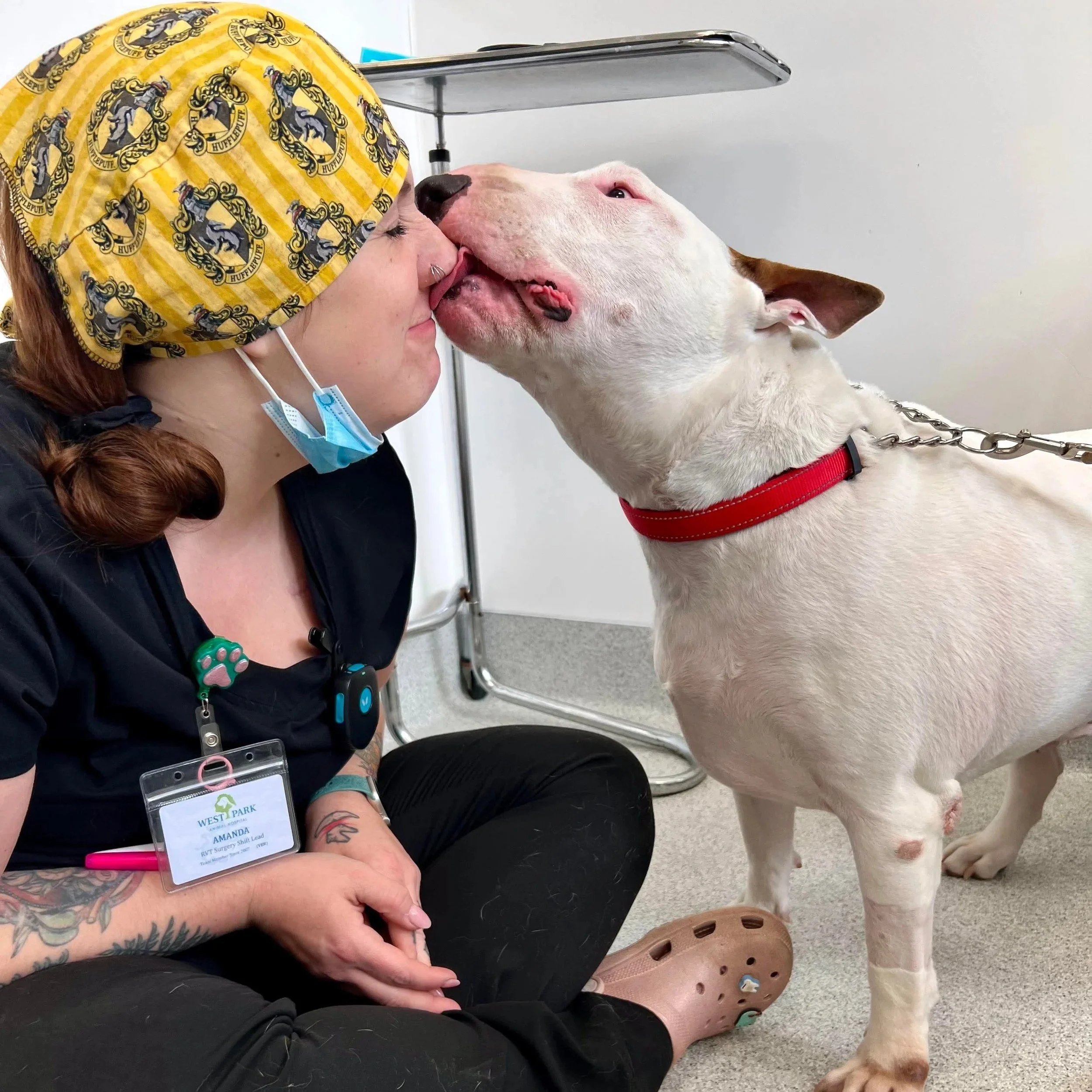
Rehabilitate
We provide medical treatment as needed with partnering vets, along with lots of snuggles and kisses.
-
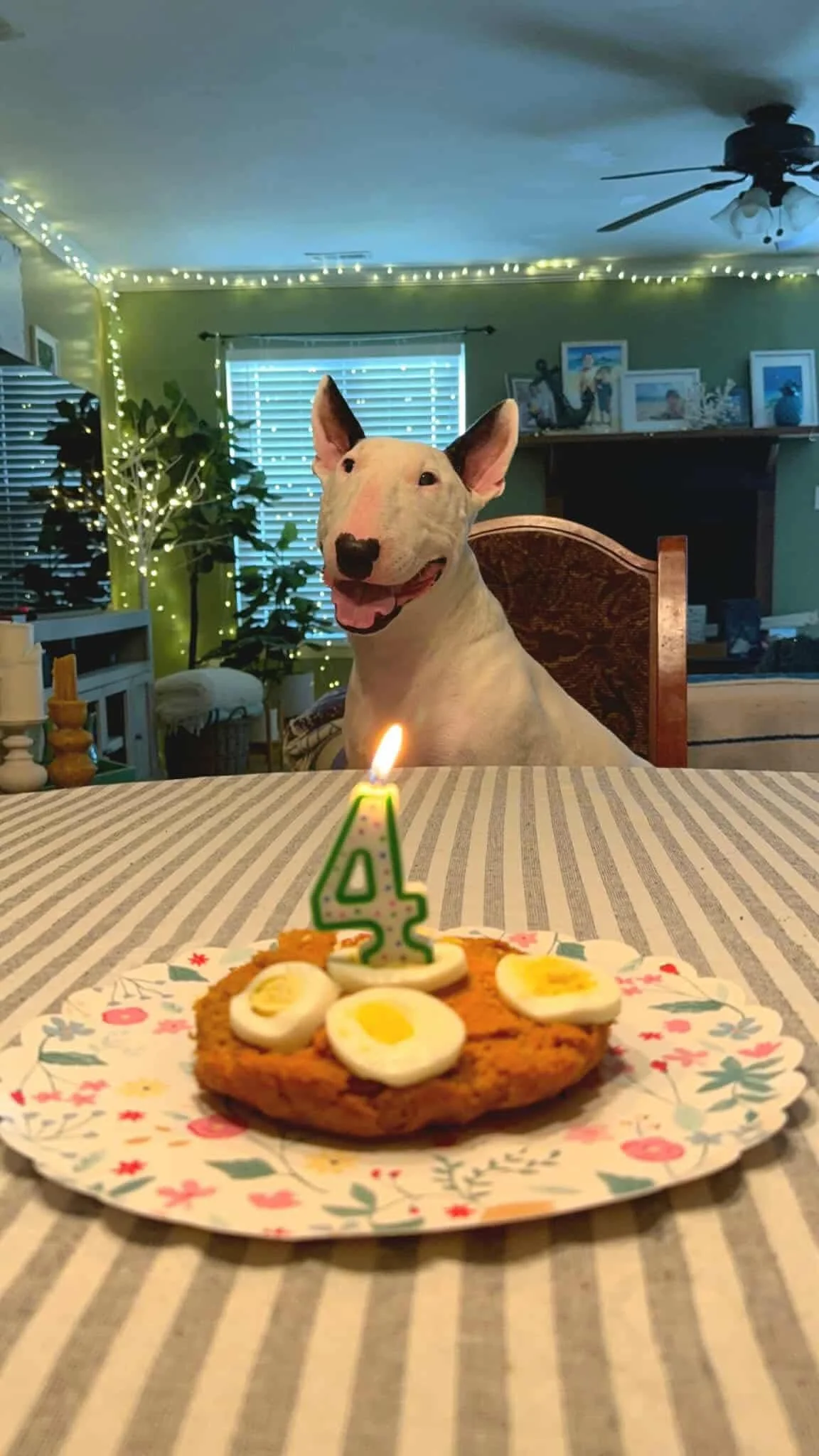
Find Their Furever Home
We work with future fosters and adopting owners to help them find their furever home.
Our process is fast, fluid, and very intentional.
We are contacted about a dog in a shelter or with an owner requesting to surrender. As soon as that happens, we begin evaluating the dog with the help of our local supporters and volunteers. At the same time, we’re already looking at our pool of approved applications to see if there might be a home that could be a great fit.
If we identify a potential match, we reach out to that applicant to see if they’re open to welcoming the bully. If we’re unsure, we ask one of our foster homes if they can provide a temporary placement. During this foster or holding period, the dog is placed on medical hold so we can assess health needs and address any immediate care.
While all of this is happening, we continue reviewing our applications and refining the dog’s profile as we learn more—personality, medical needs, energy level, and compatibility. Our goal is always to find the right home, not just the first available one.
Because of this, only dogs who stay with us longer—usually because we haven’t found the perfect match yet—end up being listed on Petfinder. Many of our dogs move directly into their forever homes before ever appearing there.
We do our best to share every step of their journey on Facebook and Instagram: welcoming them into the program, posting updates, asking for transport help, and sharing adoption posts. Please keep in mind that we are an all-volunteer rescue, so updates may sometimes be delayed—but that doesn’t mean things aren’t happening quickly behind the scenes.
Our process is fast, fluid, and very intentional. Finding the right fit can take time, and some applicants may wait longer simply because the dogs currently in our care don’t match certain household factors.
We appreciate your patience and kindness. And if you want to help, there are so many ways to do so—home checks, transports, evaluations, fostering, sharing posts, and more. Every single bit of support helps us save the next bully.